Postural Alignment Therapy: Alexander Technique vs The Egoscue Method (Why Egoscue Stands Out)
Understanding Postural Alignment Therapy
What Is Postural Alignment Therapy?
Postural alignment therapy is a form of physical rehabilitation designed to correct imbalances in the body that lead to pain, reduced mobility, and long-term musculoskeletal issues. Unlike conventional physical therapy, which often targets the site of pain, postural alignment focuses on the body as a whole. By realigning the spine, hips, shoulders, and feet, these therapies aim to restore natural movement patterns and eliminate the root cause of discomfort.
For example, if someone experiences chronic knee pain, the actual issue might stem from pelvic misalignment or weak core stability. Postural alignment therapy helps uncover and address these hidden dysfunctions.
Why Posture Matters for Overall Health
Poor posture isn’t just about slouching. It can cause headaches, back pain, reduced lung capacity, fatigue, and even digestive issues. Modern lifestyles—dominated by sitting, screens, and repetitive movements—worsen these problems. Proper alignment improves circulation, supports better breathing, enhances athletic performance, and prevents injuries.
Two widely recognized approaches for improving posture are the Alexander Technique and The Egoscue Method. While both aim to restore natural movement, their philosophies and applications differ significantly.
Introduction to the Alexander Technique
Origins and History of the Alexander Technique
The Alexander Technique was developed in the late 19th century by Frederick Matthias Alexander, an actor who struggled with chronic voice problems. He discovered that his posture and movement habits were contributing to his condition. Through self-observation, he developed a method that emphasized conscious awareness and the retraining of movement.
Principles of the Alexander Technique
At its core, the Alexander Technique teaches individuals how to recognize harmful movement patterns and replace them with healthier alternatives. Instead of “fixing posture” through rigid exercises, it focuses on gentle guidance and awareness. The technique encourages:
-
Awareness of how the head, neck, and spine interact.
-
Avoiding unnecessary tension in everyday activities.
-
Using mindfulness to prevent harmful habits.
Benefits and Limitations of Alexander Technique
Many people find relief from stress, back pain, and poor posture through this method. It’s particularly popular among musicians, actors, and performers who need to maintain fluid movement.
However, one limitation is that it requires ongoing guidance from a certified teacher, making it less accessible and more expensive. Furthermore, it may not directly address structural issues in the body as effectively as exercise-based methods.
The Egoscue Method Explained
History and Development of the Egoscue Method
The Egoscue Method was developed in the 1970s by Pete Egoscue, a Marine Corps officer who experienced chronic pain after combat injuries. Frustrated by temporary solutions offered by conventional medicine, he designed a therapy system that emphasizes restoring the body’s natural design through specific exercises.
Core Principles Behind Egoscue
The Egoscue Method is built on the belief that the human body is designed for motion. When joints and muscles fall out of alignment, pain and dysfunction occur. Egoscue therapy works by:
-
Identifying postural imbalances.
-
Prescribing customized exercise routines (“E-cises”).
-
Empowering individuals to take control of their recovery without dependency on therapists.
Common Egoscue Exercises and Routines
Some examples of Egoscue exercises include:
-
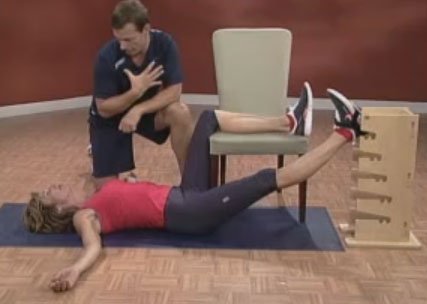
Static Back: Lying on your back with legs elevated to relax the spine.
-
Supine Groin Stretch: Releasing tight hip flexors.
-
Air Bench: Building strength in the lower body while reinforcing proper alignment.
These movements target the root causes of pain instead of masking symptoms.
Benefits of Egoscue for Pain Relief and Mobility
-
Reduces chronic back, hip, and knee pain.
-
Improves athletic performance by restoring natural movement.
-
Helps with postural problems caused by sedentary lifestyles.
-
Suitable for all ages and fitness levels.
-
Encourages independence, since most exercises can be done at home.
Unlike Alexander Technique, Egoscue is exercise-based, making it practical and results-driven.
Alexander Technique vs Egoscue Method: A Comparison
Approach to Posture Correction
-
Alexander Technique: Focuses on awareness and preventing harmful habits.
-
Egoscue Method: Uses corrective exercises to actively realign the body.
Focus on Movement vs Functional Alignment
-
Alexander Technique: Improves fluidity and relaxation.
-
Egoscue Method: Restores structural balance and function.
Suitability for Different Age Groups and Conditions
-
Alexander Technique: Popular among performers, musicians, and those with stress-related tension.
-
Egoscue Method: Effective for athletes, office workers, seniors, and individuals with chronic pain.
Cost, Accessibility, and Long-Term Results
-
Alexander Technique: Requires trained teachers and regular sessions.
-
Egoscue Method: Exercises can be learned quickly and practiced independently, leading to lasting results.
Why the Egoscue Method Excels in Postural Alignment
Egoscue’s Holistic View of the Body
Unlike approaches that treat pain locally, Egoscue views the body as a whole. For instance, a shoulder problem might be traced back to hip rotation or foot misalignment. Correcting the chain of dysfunction leads to deeper, longer-lasting improvements.
Empowering Patients Through Self-Therapy
Egoscue encourages individuals to become their own therapists. Instead of being dependent on weekly sessions, people can take responsibility for their healing journey by practicing daily routines.
Evidence and Testimonials Supporting Egoscue
Athletes, chronic pain sufferers, and even medical professionals have praised Egoscue’s effectiveness. While scientific studies are still emerging, testimonials and real-world success stories highlight its powerful results.
Practical Tips for Improving Posture at Home
Daily Egoscue Exercises for Beginners
-
Practice the Static Back for 5–10 minutes daily.
-
Add Air Bench for leg strength and alignment.
-
Incorporate hip stretches to release tightness.
Ergonomic Adjustments for Better Alignment
-
Use a chair with lumbar support.
-
Keep screens at eye level.
-
Take frequent breaks to stand and stretch.
Lifestyle Habits That Reinforce Good Posture
-
Walk daily to encourage natural gait.
-
Strengthen the core through functional exercises.
-
Avoid prolonged sitting whenever possible.
Frequently Asked Questions
Is Egoscue better than the Alexander Technique for chronic pain?
Yes, Egoscue is often more effective for chronic pain because it directly addresses musculoskeletal imbalances through targeted exercises.
Can I practice Egoscue exercises at home?
Absolutely! Most Egoscue exercises are simple, safe, and designed for at-home practice.
How long before I see results with Egoscue?
Many people notice improvements within weeks, though long-term practice ensures lasting benefits.
Does insurance cover postural alignment therapy?
Typically, insurance does not cover methods like Egoscue or Alexander Technique, as they are considered alternative therapies.
Is Egoscue safe for seniors and kids?
Yes, the exercises can be tailored for any age group, making it safe for children, adults, and seniors.
Do I need a certified practitioner to start Egoscue?
Not necessarily. While a certified practitioner can provide a personalized plan, many resources and books make it possible to begin at home.
Conclusion: Choosing the Right Postural Alignment Therapy for You
Both the Alexander Technique and the Egoscue Method offer valuable tools for improving posture and reducing pain. However, if your goal is long-term pain relief, improved mobility, and independence, the Egoscue Method stands out as the more practical and empowering approach.
By incorporating simple daily exercises, you can retrain your body, restore alignment, and enjoy a healthier, pain-free life.
Want to dive deeper? You can explore Egoscue’s official site here: The Egoscue Method. Likewise, you may gather more information about the Alexander Technique here: The Complete Guide to Alexander Technique

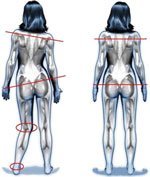 All this hinges on identifying, addressing and unraveling muscular compensations that have caused the joints to move out of place.